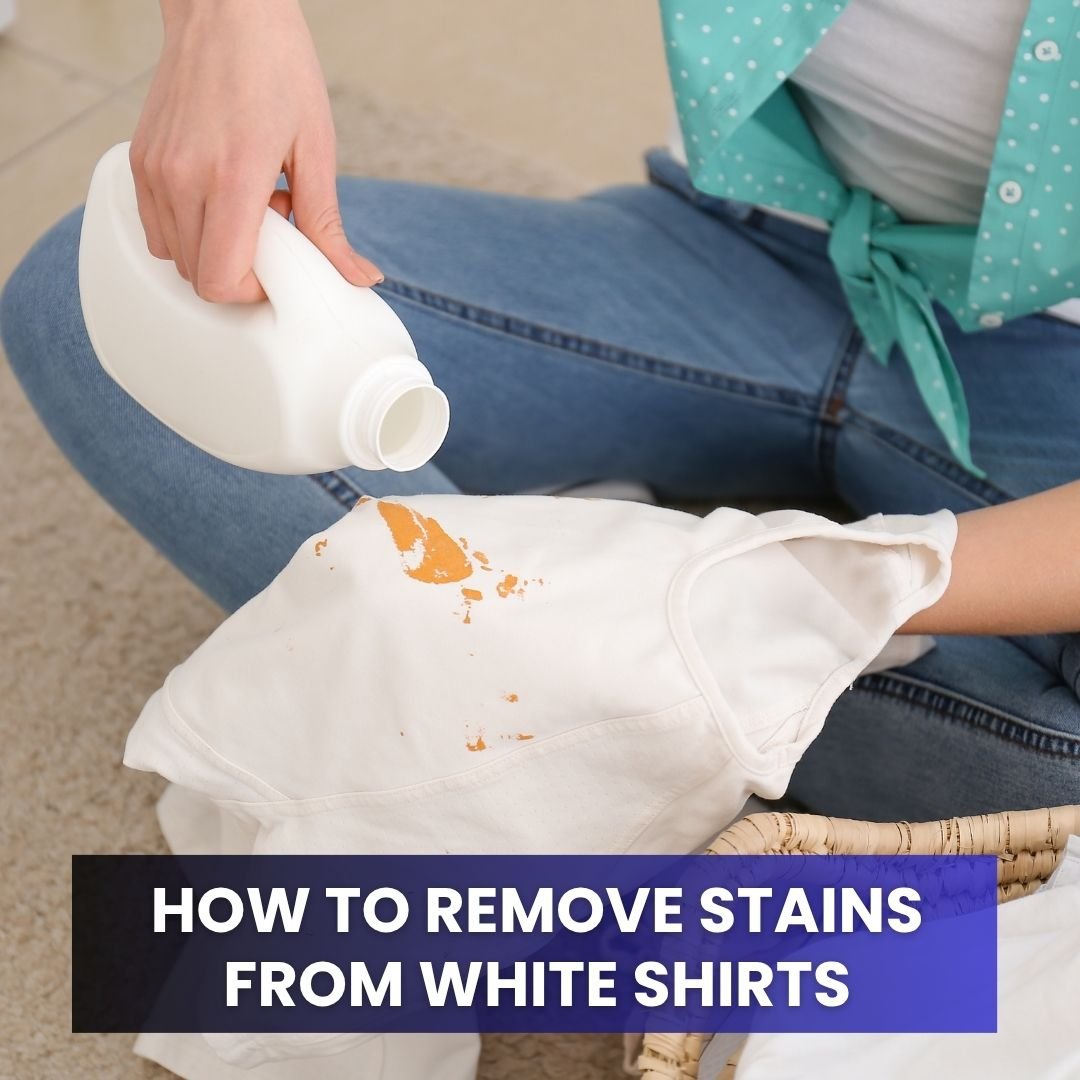
Powerful Ways to Remove Stains from White Shirts for a Fresh, Clean Look

Keeping white shirts spotless can feel like a constant battle, especially when everyday stains appear out of nowhere. From coffee spills to sweat marks, these stains can quickly ruin a clean look.

The good news is that most stains are easy to remove with the right method. In this guide, I’ll walk through simple, effective, and proven ways to restore your white shirts and keep them looking fresh and bright.
Why White Shirts Stain So Easily and What You Should Know
White fabric reflects light, which is why even the smallest stain becomes highly visible. Cotton and blended fabrics are also more absorbent, meaning liquids soak in quickly and bind to fibers. According to fabric care studies, acting within the first 10 minutes can increase stain removal success by over 80 percent. Understanding how stains behave is the first step to removing them effectively.
Act Fast: The Golden Rule for Removing Stains
The quicker I treat a stain, the easier it is to remove. Fresh stains sit on the surface, while old stains settle deep into the fibers. I always start by blotting the stain gently with a clean cloth instead of rubbing, which can spread it further. Using cold water immediately helps prevent proteins and dyes from setting permanently into the fabric.
Cold Water Rinse: The First and Most Powerful Step
Cold water is surprisingly effective for most stains. I run the stained area under cold water from the back side of the fabric so the stain is pushed out instead of deeper in. This method works especially well for blood, sweat, and food stains. Hot water can actually lock in protein-based stains, making them harder to remove later.
Baking Soda Paste: A Natural Brightening Solution
Baking soda works as a gentle abrasive and deodorizer. I mix it with a small amount of water to form a thick paste and apply it directly to the stain. After letting it sit for 20 to 30 minutes, I gently scrub with a soft brush. This method is great for removing yellow underarm stains and restoring brightness without damaging the fabric.
White Vinegar Soak: Break Down Tough Residue
White vinegar contains acetic acid, which helps dissolve stains and neutralize odors. I soak the stained area in a mixture of vinegar and water for about 30 minutes. This is especially useful for sweat stains and deodorant buildup. It also softens the fabric and helps remove any lingering smell.
Lemon and Sunlight: A Natural Whitening Boost
Lemon juice acts as a mild bleaching agent. I squeeze fresh lemon juice onto the stain and place the shirt under direct sunlight. The combination of citric acid and UV rays helps break down discoloration naturally. This method works best for light stains and adds a fresh, clean scent to the fabric.
Hydrogen Peroxide Treatment: For Stubborn Yellow Stains
Hydrogen peroxide is known for its mild bleaching effect. I apply a small amount directly to the stain and let it bubble for a few minutes. This reaction helps lift deep stains from the fibers. It works especially well on sweat stains and old discoloration but should be tested on a small area first.
Dish Soap Trick: Cut Through Oil and Grease
Oil-based stains like food grease or makeup require something that can break down fats. Dish soap is designed to do exactly that. I apply a drop directly onto the stain and gently rub it in before rinsing with warm water. This method is highly effective because dish soap molecules attach to grease and lift it away.
Salt Scrub Method: Simple but Effective
Salt acts as a natural scrubbing agent. I sprinkle salt over a damp stain and gently rub it in circular motions. This helps lift the stain while absorbing excess moisture. It works particularly well for wine, coffee, and light food stains, especially when treated immediately.
Oxygen Bleach: A Safer Alternative to Harsh Chemicals
Oxygen bleach is safer than chlorine bleach and does not weaken fabric fibers. I dissolve it in water and soak the shirt for a few hours. It releases oxygen ions that break down stain molecules, making it highly effective for whitening and stain removal without damaging the shirt.
Toothpaste Hack: A Quick Fix for Small Spots
Non-gel white toothpaste can work as a mild stain remover. I apply a small amount directly onto the stain and gently scrub it with a soft brush. The mild abrasives help lift stains from the surface. This method is great for small, fresh stains when I need a quick solution.
Cornstarch Absorption: Perfect for Oil Spills
For fresh oil stains, I use cornstarch to absorb the grease before washing. I sprinkle it over the stain and let it sit for 15 to 20 minutes. Once it absorbs the oil, I brush it off and proceed with washing. This prevents the stain from spreading or setting into the fabric.
Alcohol-Based Cleaning: Remove Ink and Dye Stains
Ink stains can be tricky, but rubbing alcohol helps break them down. I dab a small amount onto the stain using a cotton ball and gently blot it. The alcohol dissolves the ink pigments, making it easier to wash away. This method works best when done quickly after the stain appears.
Milk Soak Method: Surprisingly Effective for Ink and Dye
Soaking a stained shirt in milk might sound unusual, but it works well for certain stains like ink. I let the fabric soak overnight, allowing the proteins in milk to break down the stain. After rinsing, the stain becomes much lighter or disappears completely.
Steam Treatment: Loosen Deep-Set Stains
Steam helps open up fabric fibers, making it easier to remove stubborn stains. I hold the stained area over steam or use a garment steamer before applying a cleaning solution. This method improves the effectiveness of other stain removal techniques.
Proper Washing Technique: Lock in Clean Results
After treating the stain, washing the shirt correctly is crucial. I always check the stain before drying because heat can permanently set it. Using a good detergent and the right water temperature ensures that any remaining residue is completely removed.
Prevent Future Stains with Smart Habits
Prevention saves time and effort. I avoid applying deodorant right before wearing a white shirt and try to treat spills immediately. Wearing an undershirt can reduce sweat stains, and regular washing prevents buildup that leads to discoloration over time.
Common Mistakes to Avoid When Cleaning White Shirts
One of the biggest mistakes is using hot water too soon, which can set stains. Another is rubbing aggressively, which spreads the stain and damages fibers. Overusing bleach can weaken fabric and cause yellowing instead of whitening. Being gentle and using the right method makes a huge difference.
Final thoughts
Removing stains from white shirts does not have to be difficult or expensive. With simple ingredients and the right approach, I can restore brightness and extend the life of my clothes. The key is acting quickly, choosing the right method for each stain, and avoiding common mistakes. With these proven techniques, keeping white shirts clean becomes easy, effective, and stress-free.