How to Clean Stains from Walls: Easy Home Tips for a Spotless Finish
Walls can easily collect stains—from fingerprints and crayon marks to grease splatters and scuffs. Over time, these marks can make your home look dull and untidy.
The good news is that cleaning stains from walls doesn’t have to be complicated. With the right techniques and cleaning materials, you can restore your walls’ fresh and bright look without damaging the paint.
In this guide, we’ll explore simple and effective methods to remove different types of stains from your walls safely and easily.
Understanding Your Wall Type Before Cleaning
Before scrubbing, it’s important to know what kind of wall surface you’re dealing with.
Paint type affects how you should clean it. For example, glossy and semi-gloss paint can handle gentle scrubbing, while flat or matte finishes are more delicate and require a lighter touch.
Test any cleaner on a small, hidden spot first to ensure it doesn’t remove or dull the paint.
1. Use a Gentle Soap Solution for Everyday Stains
A simple mix of warm water and mild dish soap works well for most light stains.
Dip a soft sponge into the solution, wring it out, and gently wipe the stained area in circular motions.
Avoid soaking the wall—too much water can damage paint or drywall. This method is safe for general dirt, food splashes, and handprints.
2. Tackle Grease Stains with Baking Soda Paste
For kitchen walls with grease buildup, make a paste using baking soda and water. Apply it to the greasy spot and let it sit for 5–10 minutes before wiping it clean with a damp cloth.
Baking soda acts as a mild abrasive that lifts the grease without harming the paint. Rinse with clean water and dry with a microfiber towel.
3. Remove Crayon Marks with Toothpaste
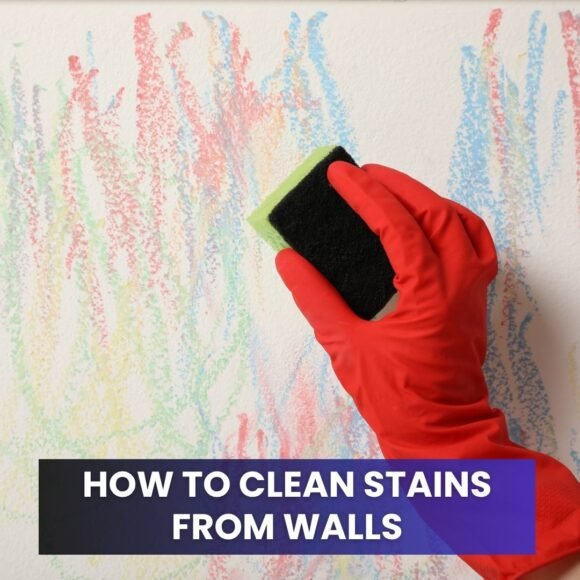
If you have kids, your walls might have turned into art canvases. Non-gel toothpaste can help. Apply a small amount directly to the crayon marks and gently rub with a damp sponge.
The mild abrasives in toothpaste help break down the waxy residue. Wipe the area with a clean, damp cloth afterward to remove leftover toothpaste.
4. Erase Scuff Marks with Magic Erasers
Melamine foam sponges (Magic Erasers) are great for removing shoe scuffs, pencil marks, or grime on light-colored walls.
Dampen the eraser slightly and rub the stain gently. Avoid pressing too hard, especially on flat paint, as it can remove some color. This method works well for quick touch-ups before guests arrive.
5. Vinegar Solution for Tough Stains
White vinegar is a natural cleaner that cuts through dirt and odor. Mix equal parts vinegar and warm water in a spray bottle.
Spray the solution on stained spots, wait for a few minutes, and wipe it off with a soft cloth. Vinegar is especially effective against food stains, smoke residue, and mildew spots in kitchens or bathrooms.
6. Get Rid of Mold and Mildew with Hydrogen Peroxide
Bathrooms or damp basements often develop mildew stains on walls. Mix one part hydrogen peroxide with two parts water, spray it onto the affected area, and let it sit for 10 minutes.
Then, wipe with a clean towel. This not only removes stains but also disinfects the wall surface, preventing future mold growth.
7. Clean Marker and Ink Stains with Rubbing Alcohol
Ink or permanent marker stains can be tricky. Dab a bit of rubbing alcohol onto a cotton ball and blot the stain gently.
Avoid rubbing harshly, as it may spread the ink. Once the stain lifts, rinse with a damp cloth. This technique is perfect for walls near desks or kids’ play areas.
8. Lemon Juice for Natural Whitening
If your walls look dull or have yellowish stains, lemon juice can help brighten them.
Mix lemon juice with warm water and apply it using a sponge. The citric acid breaks down residue and restores the wall’s clean, fresh tone. It also leaves behind a pleasant citrus scent that refreshes the room.
9. Cornstarch Solution for Greasy Stains
Cornstarch isn’t just for cooking—it’s also great for lifting grease. Mix it with a little water to make a paste, apply it to the greasy area, and let it dry. Once dry, brush it off gently.
Cornstarch absorbs the oil and leaves your wall clean without leaving a sticky residue.
10. Use a Steam Cleaner for Deep Cleaning
For heavily stained or textured walls, a handheld steam cleaner is a good option. The heat loosens dirt and stains without the need for harsh chemicals.
Move the steamer slowly over the stained area and wipe immediately with a microfiber cloth. It’s safe for most paint finishes and helps sanitize the wall too.
11. Try a Paint Touch-Up for Permanent Stains
Sometimes stains won’t come off completely, especially water or smoke stains. In that case, a small paint touch-up may be the best solution.
Lightly sand the area, wipe away dust, and repaint using matching wall paint. This hides the stain and makes the wall look brand new again.
12. Clean Wallpaper Walls Gently
If you have washable wallpaper, mix a mild detergent with water and gently wipe the stain using a soft sponge.
Avoid too much moisture to prevent bubbling. For non-washable wallpaper, use a dry cleaning sponge or an art gum eraser. Always check the wallpaper label for cleaning instructions.
13. Deal with Smoke Stains Using Baking Soda and Vinegar
Walls exposed to cigarette smoke can develop a yellow film. Sprinkle baking soda on a damp sponge and scrub the wall lightly. Then spray a vinegar-and-water mix and wipe it down.
This combination neutralizes odor and removes discoloration effectively without damaging the paint.
14. Tackle Rust Stains with Lemon and Salt
Rust stains sometimes appear from metal wall fixtures. Squeeze lemon juice over the rust and sprinkle salt on top.
Let it sit for 10 minutes, then scrub gently with a damp cloth. The natural acid dissolves rust, and salt provides gentle abrasion for clean results.
15. Remove Sticky Residue with Dish Soap and Warm Water
If stickers or tape have left sticky spots, soak the residue in a soapy warm water solution.
Wait a few minutes, then rub it off with a sponge. For tougher adhesive, apply a little olive oil or vinegar, then wipe clean. Avoid using sharp tools that might scratch the paint.
16. Clean Scorch Marks with Baking Soda Paste
If a candle or appliance has left a light scorch mark, apply a paste of baking soda and water.
Let it sit for 15 minutes and gently scrub. This helps lighten the darkened area without removing the paint. Wipe away residue with a damp cloth afterward.
17. Use Mild Detergent for Water-Based Stains
Water leaks or splashes can leave rings or streaks on painted walls. Mix a few drops of liquid detergent in warm water, apply with a sponge, and rinse with clean water. Make sure to dry the wall thoroughly to avoid streaks. This works best for water-based stains on latex-painted walls.
18. Prevent Future Wall Stains
Keeping walls clean is easier when you maintain them regularly. Dust them weekly with a dry microfiber cloth or use a vacuum with a brush attachment.
Avoid touching walls with greasy hands, and keep furniture slightly away from them to prevent scuff marks. A washable paint finish can also make future cleaning easier.
Final Thoughts
Knowing how to clean stains from walls can save you time, effort, and even money on repainting.
From everyday fingerprints to tough grease or ink stains, the right cleaning method can make a big difference.
Always test your cleaning solution on a small hidden area first, and use gentle pressure to protect your paint.
With regular care and smart cleaning habits, your walls will stay spotless, bright, and beautiful all year long.
Contents
- Understanding Your Wall Type Before Cleaning
- 1. Use a Gentle Soap Solution for Everyday Stains
- 2. Tackle Grease Stains with Baking Soda Paste
- 3. Remove Crayon Marks with Toothpaste
- 4. Erase Scuff Marks with Magic Erasers
- 5. Vinegar Solution for Tough Stains
- 6. Get Rid of Mold and Mildew with Hydrogen Peroxide
- 7. Clean Marker and Ink Stains with Rubbing Alcohol
- 8. Lemon Juice for Natural Whitening
- 9. Cornstarch Solution for Greasy Stains
- 10. Use a Steam Cleaner for Deep Cleaning
- 11. Try a Paint Touch-Up for Permanent Stains
- 12. Clean Wallpaper Walls Gently
- 13. Deal with Smoke Stains Using Baking Soda and Vinegar
- 14. Tackle Rust Stains with Lemon and Salt
- 15. Remove Sticky Residue with Dish Soap and Warm Water
- 16. Clean Scorch Marks with Baking Soda Paste
- 17. Use Mild Detergent for Water-Based Stains
- 18. Prevent Future Wall Stains
- Final Thoughts