How to Clean Hard Water Build-Up Easily at Home
Hard water stains can turn your shiny faucets, tiles, and glass surfaces dull over time.
These stains form from minerals like calcium and magnesium, which leave behind stubborn residue that doesn’t go away with normal cleaning.
Learning how to clean hard water build-up properly can bring back your surfaces’ sparkle and keep your home looking fresh and spotless.
Here’s an easy, step-by-step guide to handle hard water stains safely and effectively.
Understanding Hard Water Build-Up
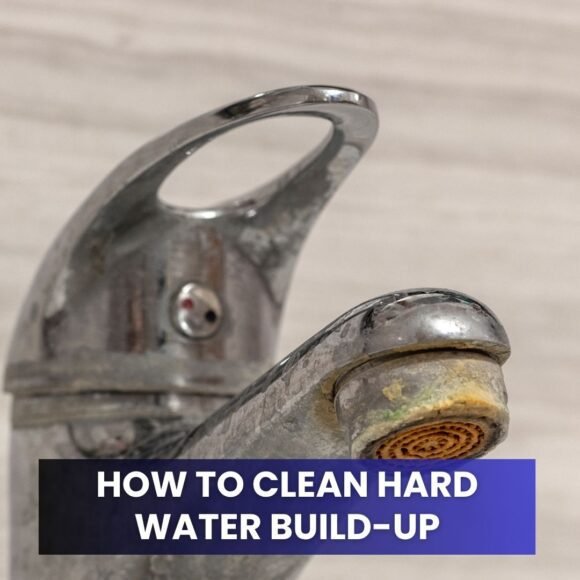
Hard water leaves behind chalky white or cloudy spots on surfaces like sinks, shower doors, and faucets.
Over time, these deposits harden and become difficult to remove. The key to tackling them is using the right cleaning agents that can break down mineral deposits without harming your surfaces.
1. Identify the Affected Areas
Before you start, identify where hard water build-up is most visible. Common spots include showerheads, faucets, glass doors, tiles, and toilet bowls.
Knowing where to focus saves time and ensures you use the correct cleaning solution for each material.
2. Use White Vinegar for Effective Cleaning
White vinegar is one of the best natural cleaners for dissolving hard water stains. Soak a cloth or paper towel in vinegar and place it over the affected area for 15–30 minutes.
The acid in vinegar helps break down mineral deposits. Wipe the area clean afterward with a soft sponge or microfiber cloth for a clear, shiny finish.
3. Mix Baking Soda Paste for Stubborn Spots
For tougher stains, make a baking soda paste by mixing three parts baking soda with one part water.
Apply the paste directly to the hard water build-up and let it sit for 10–15 minutes.
Gently scrub using a non-abrasive brush or sponge. This method works especially well on sinks, tiles, and metal fixtures.
4. Clean Faucets and Showerheads with a Vinegar Bag
Fill a small plastic bag with white vinegar and secure it over your faucet or showerhead using a rubber band.
Let it sit for about an hour before removing. Rinse the area with warm water and wipe dry.
This trick dissolves mineral buildup inside and outside the fixture, improving both its look and performance.
5. Use Lemon Juice for Natural Shine
Lemon juice acts as a natural acidic cleaner that not only removes hard water spots but also leaves behind a fresh scent.
Cut a lemon in half and rub it directly over the affected area. Leave the juice for about 10 minutes, then rinse and dry. This works best for glass, chrome, and ceramic surfaces.
6. Try a Commercial Hard Water Cleaner
If home remedies aren’t enough, use a commercial hard water stain remover designed for your surface type.
Choose products labeled as safe for glass, metal, or tile. Always follow the manufacturer’s instructions carefully to prevent damage, and wear gloves while using chemical cleaners.
7. Use a Toothbrush for Tight Corners
For smaller or hard-to-reach spots like faucet joints, grout lines, or shower door tracks, use an old toothbrush dipped in vinegar or baking soda paste. The bristles help scrub out residue from tiny crevices without scratching the surface.
8. Rinse Thoroughly After Cleaning
After using vinegar, baking soda, or any cleaner, rinse the surface thoroughly with warm water.
This step is crucial because leftover cleaning residue can attract more dirt or leave streaks. Use a soft microfiber cloth to dry the area completely.
9. Polish Glass and Metal Surfaces
Once clean, use a glass cleaner or a mix of vinegar and water (1:1 ratio) to polish glass doors or metal faucets.
Wipe using a dry microfiber cloth for a streak-free shine. This not only enhances appearance but also adds a layer of protection against future build-up.
10. Prevent Future Hard Water Build-Up
Prevention is easier than deep cleaning. After every shower or sink use, wipe down wet surfaces with a microfiber cloth to prevent mineral deposits from forming.
Installing a water softener can also help reduce the mineral content in your water, preventing build-up long-term.
11. Clean Shower Doors Weekly
Glass shower doors are one of the most noticeable areas for hard water stains.
Make a weekly routine to spray them with a vinegar-water mix, let it sit for five minutes, and wipe clean.
Keeping up with this simple step saves time and prevents heavy residue from forming.
12. Tackle Toilet Hard Water Rings
Hard water can also leave rust-colored rings inside the toilet bowl. Pour one cup of vinegar and one tablespoon of baking soda into the bowl.
Let it fizz for 10 minutes, then scrub with a toilet brush and flush. Repeat weekly to maintain a spotless look.
13. Don’t Forget Kitchen Appliances
Appliances like coffee makers, kettles, and dishwashers can develop internal build-up from hard water.
Run a cycle using vinegar instead of water (without detergent) to clean out mineral deposits. Follow up with a plain water cycle to rinse thoroughly.
14. Avoid Harsh Scrubbing Tools
While it’s tempting to use abrasive pads, they can scratch glass and metal surfaces.
Stick to soft cloths, sponges, or nylon brushes for safe cleaning. Scratches can make future stains stick more easily, so gentle care goes a long way.
15. Use Distilled Water for Final Rinse
If your tap water is particularly hard, consider rinsing glass or chrome fixtures with distilled water after cleaning.
Distilled water doesn’t contain minerals, helping prevent new spots or haze from forming.
16. Keep Surfaces Dry After Use
Moisture is the main cause of mineral residue. After cleaning or daily use, dry surfaces immediately.
This small habit makes a big difference in keeping your home cleaner and shinier for longer.
17. Try Vinegar Spray as a Daily Maintenance Cleaner
Mix equal parts vinegar and water in a spray bottle and keep it in your bathroom or kitchen. Use it daily on wet surfaces after use. It prevents build-up before it starts and keeps surfaces smelling fresh.
18. Address Build-Up Immediately
The longer you wait, the harder the stains get. If you notice any early signs of residue or dullness, clean the area promptly. Quick action helps you avoid heavy scrubbing sessions later.
Final Thoughts
Cleaning hard water build-up doesn’t have to be difficult or time-consuming. With the right mix of vinegar, baking soda, and simple habits, you can keep your surfaces spotless and shiny every day.
Regular maintenance, gentle tools, and a few natural cleaning agents are all you need to maintain your home’s sparkle.
Keep these simple steps in mind, and your bathroom, kitchen, and appliances will stay looking fresh and clean year-round.
Contents
- Understanding Hard Water Build-Up
- 1. Identify the Affected Areas
- 2. Use White Vinegar for Effective Cleaning
- 3. Mix Baking Soda Paste for Stubborn Spots
- 4. Clean Faucets and Showerheads with a Vinegar Bag
- 5. Use Lemon Juice for Natural Shine
- 6. Try a Commercial Hard Water Cleaner
- 7. Use a Toothbrush for Tight Corners
- 8. Rinse Thoroughly After Cleaning
- 9. Polish Glass and Metal Surfaces
- 10. Prevent Future Hard Water Build-Up
- 11. Clean Shower Doors Weekly
- 12. Tackle Toilet Hard Water Rings
- 13. Don’t Forget Kitchen Appliances
- 14. Avoid Harsh Scrubbing Tools
- 15. Use Distilled Water for Final Rinse
- 16. Keep Surfaces Dry After Use
- 17. Try Vinegar Spray as a Daily Maintenance Cleaner
- 18. Address Build-Up Immediately
- Final Thoughts