The Ultimate Guide on How to Clean Grout on Tile Floor
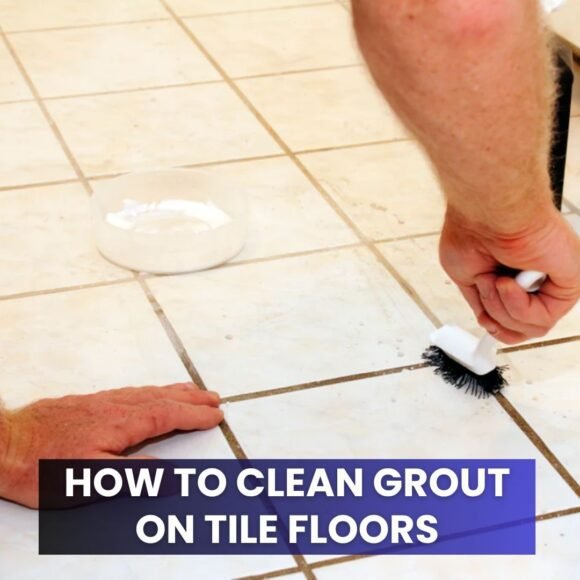
Keeping your tile floors clean is one thing, but grimy grout can make even the cleanest tiles look dull.
Grout is porous and easily traps dirt, spills, and mildew. Cleaning grout effectively not only improves your floor’s appearance but also helps maintain a healthy home environment.
In this guide, I’ll walk you through proven, easy-to-follow methods to make your grout shine like new.
Why Grout Gets Dirty So Quickly
Grout is more porous than tile, which means it easily absorbs dirt, liquids, and stains. High-traffic areas like kitchens, bathrooms, and entryways are especially prone to discoloration.
Over time, even daily sweeping and mopping won’t fully remove embedded grime. Understanding this helps you choose the right cleaning method for long-lasting results.
Gather Your Grout Cleaning Supplies
Before starting, it’s essential to have the right tools. You’ll need:
-
Baking soda: A gentle abrasive that lifts dirt.
-
White vinegar: Natural disinfectant that breaks down grime.
-
Hydrogen peroxide: Effective for stubborn stains and mildew.
-
Grout brush or old toothbrush: Helps scrub deep into grooves.
-
Spray bottle: For applying cleaning solutions evenly.
-
Protective gloves: Protects your skin from harsh cleaners.
Having these ready makes the process faster and more effective.
Method 1 – Baking Soda and Vinegar for Natural Cleaning
This is a classic, eco-friendly method. Start by sprinkling baking soda along your grout lines.
Then spray white vinegar over the baking soda. You’ll notice fizzing, which helps lift dirt and grime.
Let it sit for 5–10 minutes, then scrub with a toothbrush or grout brush. Rinse with warm water for a sparkling finish.
Method 2 – Hydrogen Peroxide for Stubborn Stains
If your grout is heavily stained, hydrogen peroxide is a strong, safe option. Mix equal parts hydrogen peroxide and water in a spray bottle. Apply directly to the grout lines and let it sit for 10–15 minutes.
Scrub with a brush, then wipe away residue with a damp cloth. This method also kills mold and mildew, keeping your floors sanitary.
Method 3 – Commercial Grout Cleaners
For those looking for a ready-to-use solution, commercial grout cleaners can save time. Choose one that is non-toxic and safe for your tile type.
Apply as directed on the label, usually letting it sit for a few minutes before scrubbing. Always rinse thoroughly to avoid leaving residue that attracts dirt.
Method 4 – Steam Cleaning for Deep Dirt
A steam cleaner is perfect for removing deep-seated grime without harsh chemicals.
The heat loosens dirt, while the pressure removes buildup. Move the cleaner slowly over the grout lines for maximum effect. This method is eco-friendly and ideal for large floor areas.
Method 5 – Toothpaste for Quick Touch-Ups
For minor stains or small areas, white toothpaste works surprisingly well.
Apply a small amount along the grout, scrub with a toothbrush, and rinse. This is a simple, cost-effective solution when you don’t want to use commercial cleaners.
Prevent Grout From Getting Dirty Again
Once your grout is clean, prevention is key. Apply a grout sealer to protect against future stains and moisture.
Regular sweeping, mopping, and spot cleaning with a vinegar solution will keep grout looking fresh. Avoid harsh chemicals that can erode grout over time.
Tips for Maintaining Grout Between Cleanings
-
Use a soft-bristle brush to gently scrub grout weekly.
-
Mop with a mild detergent instead of harsh chemicals.
-
Wipe up spills immediately to prevent staining.
-
Ensure bathrooms are well-ventilated to reduce mildew growth.
These small habits go a long way in keeping your floors pristine.
Common Mistakes to Avoid When Cleaning Grout
Avoid using abrasive tools like metal brushes, which can damage grout.
Don’t mix cleaning chemicals like bleach and vinegar, as this creates harmful fumes. Also, avoid letting commercial cleaners sit too long, which can erode grout over time.
Final Thoughts
Cleaning grout on tile floors doesn’t have to be a daunting task. With the right tools and methods, you can restore your grout to its original color and keep your floors looking new.
From natural solutions like baking soda and vinegar to steam cleaning and commercial products, there’s a method for every level of dirt and every budget.
Consistent maintenance and proper protection ensure your tile floors remain clean, bright, and inviting for years to come.
Contents
- Why Grout Gets Dirty So Quickly
- Gather Your Grout Cleaning Supplies
- Method 1 – Baking Soda and Vinegar for Natural Cleaning
- Method 2 – Hydrogen Peroxide for Stubborn Stains
- Method 3 – Commercial Grout Cleaners
- Method 4 – Steam Cleaning for Deep Dirt
- Method 5 – Toothpaste for Quick Touch-Ups
- Prevent Grout From Getting Dirty Again
- Tips for Maintaining Grout Between Cleanings
- Common Mistakes to Avoid When Cleaning Grout
- Final Thoughts