Easy Step-by-Step Guide on How to Clean Blinds for a Fresh Home
Blinds are an essential part of home decor, controlling light, privacy, and ambiance. However, they are notorious for collecting dust, dirt, and allergens, which can affect both appearance and indoor air quality.
Knowing how to clean blinds easily keeps your home fresh, bright, and healthy. This guide covers step-by-step cleaning methods, natural solutions, and maintenance tips for all types of blinds including wood, faux wood, aluminum, and fabric.
Why Cleaning Blinds Is Important
Blinds accumulate dust, pollen, pet hair, and grease over time, making rooms look dirty and dull.
Dirty blinds can contribute to allergies and respiratory issues, especially in homes with pets or children. Regular cleaning not only enhances visual appeal but also improves indoor air quality and overall hygiene.
Gather Your Cleaning Supplies
Before starting, gather these essentials for a thorough cleaning:
-
Microfiber cloths or dusting gloves
-
Soft-bristled brush or vacuum with brush attachment
-
Mild dish soap and warm water
-
Spray bottle for solution application
-
Baking soda for deodorizing
-
Bucket or basin for soaking removable blinds
Having these supplies ready ensures you can clean efficiently without damaging blinds.
Step 1: Dust Blinds Regularly
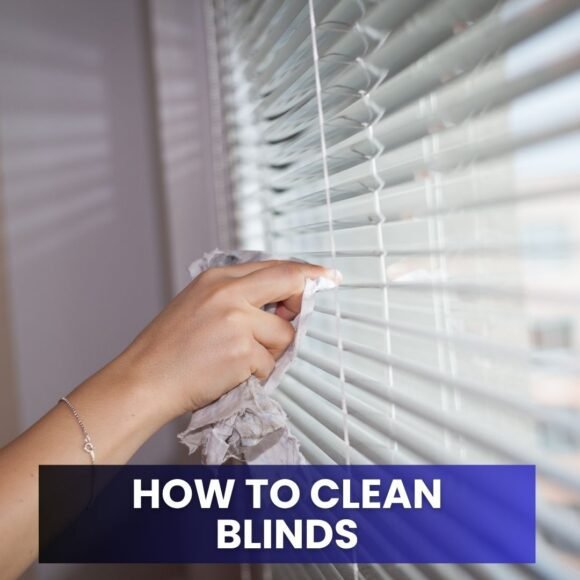
Use a microfiber cloth, duster, or vacuum with a brush attachment to remove loose dust and debris from each slat.
Work from top to bottom, ensuring that corners and edges are cleaned. Dusting first prevents spreading dirt during wet cleaning and keeps blinds looking neat with minimal effort.
Step 2: Remove Blinds if Necessary
For a deep clean, consider removing blinds from their brackets. This is especially helpful for heavy accumulation of dirt or sticky residues.
Place them in a bathtub or large basin with warm water and mild soap, allowing grime to loosen before scrubbing. This step ensures thorough cleaning without damaging the window frame.
Step 3: Clean Aluminum or Faux Wood Blinds
For aluminum or faux wood blinds, mix warm water with mild dish soap. Dampen a microfiber cloth or soft brush and wipe each slat individually.
For tough spots, use a baking soda paste to scrub gently.
This method removes dust, fingerprints, and grease while preserving the finish and integrity of the blinds.
Step 4: Clean Wooden Blinds
Wooden blinds require extra care to prevent warping or damage. Use a dry or slightly damp microfiber cloth, avoiding excessive water.
Apply a wood polish or conditioner after cleaning to restore shine and protect the material. Proper care ensures that wooden blinds remain durable and visually appealing.
Step 5: Clean Fabric Blinds
Fabric blinds attract dust and can harbor allergens. Use a vacuum with brush attachment for routine cleaning.
For deeper cleaning, spot clean stains with mild soap and water, blotting rather than scrubbing. Fabric blinds require gentle handling to maintain texture and prevent fading.
Step 6: Use a Dusting Tool for Speed
Special dusting tools, like blinds brushes or microfiber mitts, can clean multiple slats at once. Slide the tool along the blinds to remove dust quickly.
This saves time, reduces repetitive motion, and ensures even cleaning across all slats.
Step 7: Soak Removable Blinds
For heavily soiled blinds, fill a bathtub or large basin with warm water and mild soap. Submerge removable blinds and let them soak for 10–15 minutes.
After soaking, scrub gently with a soft brush and rinse thoroughly. Dry completely before rehanging to avoid water damage or mold growth.
Step 8: Dry Blinds Properly
After cleaning, dry each slat using a clean, dry microfiber cloth. For removable blinds, let them air dry completely in a well-ventilated area. Proper drying prevents water spots, warping, or damage to the material, ensuring long-lasting cleanliness.
Extra Tips for Maintaining Clean Blinds
-
Dust blinds weekly to prevent buildup.
-
Avoid harsh chemicals that can damage paint, wood, or fabric.
-
Use a vacuum with a brush attachment for regular maintenance.
-
Consider blinds liners near kitchens to reduce grease accumulation.
-
Rotate slats occasionally to prevent uneven dust accumulation.
Following these habits keeps your blinds looking fresh, polished, and functional.
Natural Cleaning Methods
Natural solutions are safe, effective, and eco-friendly:
-
Vinegar and water: Cuts grease and disinfects slats.
-
Baking soda paste: Removes stubborn stains and odors.
-
Olive oil: Adds shine to wood or faux wood blinds.
Natural cleaning methods protect materials while ensuring safe, chemical-free care.
Avoid Common Blinds Cleaning Mistakes
-
Don’t use excessive water on wood or fabric blinds.
-
Avoid abrasive scrubbers that scratch slats or remove paint.
-
Don’t ignore corners or edges where dust hides.
-
Avoid strong chemical cleaners that fade or damage materials.
Avoiding these mistakes ensures your blinds stay clean, functional, and durable.
Benefits of Clean Blinds
Regular cleaning and maintenance:
-
Improves indoor air quality by reducing dust and allergens.
-
Enhances room appearance and natural lighting.
-
Extends the lifespan of blinds by preventing damage.
-
Reduces effort for deep cleaning sessions in the future.
Clean blinds make your home healthier, brighter, and visually appealing.
Final Thoughts
Knowing how to clean blinds easily ensures your home stays fresh, bright, and allergen-free.
From dusting and wiping to soaking, spot cleaning, and proper drying, these steps provide a thorough solution for all types of blinds.
Regular maintenance, gentle cleaning methods, and natural solutions keep your blinds looking new and lasting longer, improving both aesthetics and indoor air quality for a healthier, well-kept home.
Contents
- Why Cleaning Blinds Is Important
- Gather Your Cleaning Supplies
- Step 1: Dust Blinds Regularly
- Step 2: Remove Blinds if Necessary
- Step 3: Clean Aluminum or Faux Wood Blinds
- Step 4: Clean Wooden Blinds
- Step 5: Clean Fabric Blinds
- Step 6: Use a Dusting Tool for Speed
- Step 7: Soak Removable Blinds
- Step 8: Dry Blinds Properly
- Extra Tips for Maintaining Clean Blinds
- Natural Cleaning Methods
- Avoid Common Blinds Cleaning Mistakes
- Benefits of Clean Blinds
- Final Thoughts