How to Clean Bathroom Ceiling Mold: Easy Steps for a Fresher Bathroom
Bathroom ceiling mold is not only unsightly but also a serious health concern that can affect your indoor air quality.
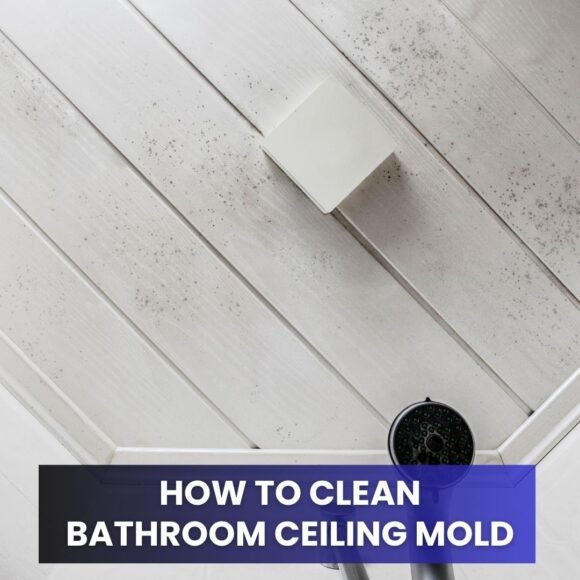
Because bathrooms are humid spaces with limited ventilation, mold can spread quickly, especially on ceilings near showers or vents.
The good news? You can remove bathroom ceiling mold safely and prevent it from coming back with the right approach.
In this guide, you’ll learn how to clean bathroom ceiling mold effectively using simple tools, easy methods, and preventive tips that keep your ceiling spotless and your air cleaner.
Understand What Causes Mold on Bathroom Ceilings
Before tackling the problem, it’s important to understand why mold forms on your ceiling. Mold thrives in damp, warm, and poorly ventilated spaces.
When steam from hot showers rises, it condenses on cool ceiling surfaces, creating the perfect breeding ground for mold spores. Leaky pipes, poor insulation, and infrequent cleaning can worsen the problem.
Once you know the cause, it’s easier to eliminate it permanently rather than just treating the surface.
Gather the Right Cleaning Supplies
You don’t need harsh chemicals to fight mold effectively. Here’s what you’ll need:
-
Protective gloves and safety goggles
-
Face mask or respirator
-
Ladder or sturdy step stool
-
Spray bottle
-
Soft-bristle brush or sponge
-
White vinegar or hydrogen peroxide
-
Baking soda (optional for stubborn mold)
-
Bucket of warm water and clean cloths
Having the right supplies ensures safe cleaning and helps you avoid spreading mold spores into the air.
Step 1: Protect Yourself and Prepare the Area
Mold spores can irritate your skin, eyes, and lungs, so it’s essential to wear gloves, goggles, and a mask.
Open windows and turn on the exhaust fan for proper ventilation.
Place an old towel or plastic sheet under the area you’ll be cleaning to catch any drips or debris.
Proper preparation keeps the cleaning area safe and organized.
Step 2: Inspect the Affected Area
Take a close look at how much of your ceiling is covered by mold. If it’s limited to a small section, you can easily handle it yourself.
However, if mold covers a large portion or has penetrated deep into drywall or paint, it may be better to call a professional.
Inspecting early helps you decide on the right cleaning method and avoid unnecessary damage.
Step 3: Choose a Safe and Effective Cleaning Solution
There are several reliable mold-cleaning solutions you can use at home. For mild mold growth, white vinegar works perfectly.
Pour undiluted vinegar into a spray bottle and apply it directly to the mold.
For more severe infestations, use hydrogen peroxide (3%), which kills mold spores effectively without leaving harsh fumes.
You can also mix one teaspoon of baking soda with two cups of water for an eco-friendly cleaner that deodorizes and scrubs away grime.
Step 4: Apply the Cleaner Generously
Spray your chosen cleaning solution onto the moldy spots. Let it sit for at least 10 to 15 minutes to break down the mold structure.
The waiting period is crucial because it allows the cleaner to penetrate deep into porous surfaces, ensuring that mold doesn’t return quickly.
Avoid scrubbing immediately — patience leads to better results.
Step 5: Scrub the Mold Away Gently
Once the solution has soaked in, use a soft-bristled brush or sponge to gently scrub the area.
Work in small circular motions and avoid pressing too hard to prevent paint damage.
If the ceiling has textured paint, use a sponge instead of a brush to avoid flattening the surface.
For stubborn mold, reapply vinegar or hydrogen peroxide and repeat the scrubbing process.
Step 6: Rinse and Wipe Clean
After removing the mold, rinse the ceiling with a clean cloth dampened in warm water.
This step removes leftover cleaner and mold residue. Be careful not to over-wet the area since excess moisture can encourage more mold growth.
Once wiped, dry the surface thoroughly using a dry towel or microfiber cloth.
Step 7: Kill Remaining Spores and Deodorize
Even after cleaning, some mold spores might linger. To make sure your ceiling stays clean longer, spray a light layer of vinegar or hydrogen peroxide again and let it air dry.
This extra step not only kills hidden spores but also eliminates musty odors, leaving your bathroom smelling fresh.
Step 8: Repaint with Mold-Resistant Paint (Optional)
If your bathroom ceiling has been affected multiple times, consider repainting it with mold-resistant paint once it’s fully dry. These paints contain antimicrobial agents that prevent new mold from forming. Before painting, apply a stain-blocking primer to cover any discoloration. This gives your ceiling a clean, even finish while offering long-term protection.
Step 9: Improve Ventilation to Prevent Mold Return
Mold thrives in moisture, so improving airflow is key to prevention.
Always run the exhaust fan during and after showers, and keep the door slightly open to allow humidity to escape.
If your bathroom doesn’t have a fan, open a window or install a small dehumidifier. A drier environment makes it much harder for mold to grow back.
Step 10: Regular Maintenance is Essential
Cleaning your bathroom ceiling once a year isn’t enough.
Include it in your monthly cleaning routine by wiping the ceiling with a vinegar solution to prevent new mold from forming.
Keep an eye on high-risk areas such as corners and spots near vents. Consistency ensures you’ll never face heavy mold buildup again.
Step 11: Address the Root Cause
Sometimes, cleaning the ceiling is just treating the symptom, not the source.
Persistent mold may indicate leaks in the roof or plumbing, or poor insulation that traps moisture.
Inspect your bathroom ceiling for leaks or water stains. Fixing these issues not only prevents mold but also protects your ceiling from structural damage.
Step 12: Natural Mold Prevention Tips
If you prefer non-chemical solutions, use essential oils like tea tree oil or eucalyptus oil, which have natural antifungal properties.
Mix a teaspoon of tea tree oil with a cup of water and spray it on the ceiling once a week.
These natural options help prevent mold while adding a pleasant aroma to your bathroom.
Common Mistakes to Avoid When Cleaning Bathroom Ceiling Mold
-
Skipping protective gear: Always wear gloves and a mask to avoid inhaling spores.
-
Using bleach on painted ceilings: Bleach can discolor and damage paint over time.
-
Scrubbing too harshly: Aggressive scrubbing can damage the ceiling surface.
-
Ignoring moisture problems: Mold will return quickly if humidity remains high.
-
Mixing cleaning agents: Combining vinegar and bleach can create harmful fumes.
Avoiding these mistakes ensures a safer, more effective cleaning process.
When to Call a Professional
If your mold problem keeps coming back or covers more than 10 square feet, it’s time to contact a mold remediation expert.
Professionals can assess structural damage, test air quality, and remove mold safely without spreading spores. It’s worth the investment for severe or recurring cases.
Final Thoughts
Learning how to clean bathroom ceiling mold the right way can save you time, money, and frustration.
With proper cleaning methods, regular maintenance, and good ventilation, you can keep your bathroom ceiling spotless and mold-free all year long.
The key is to clean thoroughly, dry completely, and control moisture levels — these simple habits make all the difference.
A clean ceiling not only improves your bathroom’s appearance but also creates a healthier and fresher environment for your family.
Contents
- Understand What Causes Mold on Bathroom Ceilings
- Gather the Right Cleaning Supplies
- Step 1: Protect Yourself and Prepare the Area
- Step 2: Inspect the Affected Area
- Step 3: Choose a Safe and Effective Cleaning Solution
- Step 4: Apply the Cleaner Generously
- Step 5: Scrub the Mold Away Gently
- Step 6: Rinse and Wipe Clean
- Step 7: Kill Remaining Spores and Deodorize
- Step 8: Repaint with Mold-Resistant Paint (Optional)
- Step 9: Improve Ventilation to Prevent Mold Return
- Step 10: Regular Maintenance is Essential
- Step 11: Address the Root Cause
- Step 12: Natural Mold Prevention Tips
- Common Mistakes to Avoid When Cleaning Bathroom Ceiling Mold
- When to Call a Professional
- Final Thoughts