Ultimate Guide on How to Clean Baseboards for a Fresh Home
Baseboards may seem like a small detail in your home, but they collect dust, dirt, and grime quickly, making rooms look untidy.
Regular cleaning keeps your baseboards looking fresh, prevents allergens, and enhances the overall appearance of your home.
Learning how to clean baseboards properly ensures a polished look while maintaining the health and hygiene of your living spaces.
This guide covers step-by-step cleaning methods, natural solutions, and expert tips for different materials including wood, vinyl, and painted surfaces.
Why Cleaning Baseboards Matters
Dust, pet hair, and grime often accumulate along baseboards, making them unsightly and difficult to clean if neglected.
Dirty baseboards can harbor allergens that trigger respiratory issues or allergies. Keeping them clean improves home hygiene, enhances aesthetics, and protects the finish and durability of your baseboards.
Gather the Right Cleaning Supplies
Before starting, prepare the following cleaning tools:
-
Microfiber cloths or soft rags
-
Warm water and mild dish soap
-
Baking soda or vinegar for tough stains
-
Soft-bristled brush or toothbrush for crevices
-
Bucket or spray bottle
-
Optional: magic erasers for stubborn scuffs
Having supplies ready allows you to clean efficiently without damaging the paint or wood.
Step 1: Dust Baseboards Thoroughly
Start by removing loose dust and dirt using a microfiber cloth, duster, or vacuum with a brush attachment.
Focus on corners and crevices where dust tends to accumulate. Dusting first prevents smearing or spreading dirt during the wet cleaning process and prepares the surface for a deeper clean.
Step 2: Prepare a Cleaning Solution
Mix warm water with a few drops of mild dish soap in a bucket, or create a natural solution using vinegar and water.
For stubborn stains, add a teaspoon of baking soda. A gentle solution ensures effective cleaning without damaging paint, wood, or vinyl surfaces.
Step 3: Wipe Down the Baseboards
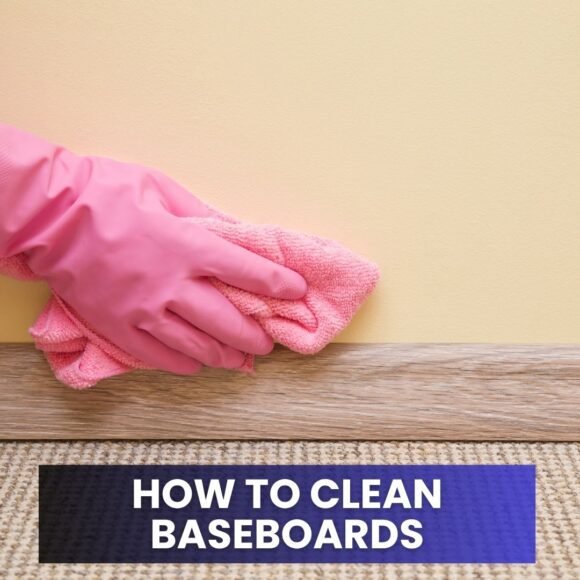
Dip a cloth into the cleaning solution, wring out excess water, and wipe along the baseboards.
Use a soft-bristled brush or toothbrush for grooves and corners. For stubborn grime, apply gentle pressure and repeat until the surface is spotless. Wiping thoroughly ensures all dirt, dust, and grease residues are removed.
Step 4: Remove Scuff Marks and Stains
Scuffs and marks from shoes or furniture are common on baseboards. Use a magic eraser or baking soda paste to gently scrub the affected area.
Avoid harsh scrubbing that can remove paint. This step restores a clean, fresh look to baseboards without damaging their finish.
Step 5: Dry Baseboards Properly
After cleaning, use a dry microfiber cloth to remove any moisture. Proper drying prevents water damage, warping, or streaks, especially on painted or wooden surfaces.
Drying also ensures the baseboards remain spotless and streak-free.
Step 6: Maintain Baseboard Cleanliness
Prevent dust buildup by regularly vacuuming or dusting the baseboards. Wipe them lightly with a damp cloth every few weeks.
Regular maintenance reduces deep-cleaning frequency and keeps baseboards looking fresh and new.
Step 7: Special Care for Wood Baseboards
Wood baseboards require careful cleaning to avoid damage. Use minimal water, a mild soap solution, and always dry immediately.
For added protection, you can apply a wood polish or conditioner to maintain shine and prevent cracking. This keeps wood baseboards in pristine condition for years.
Step 8: Cleaning Painted or Vinyl Baseboards
For painted or vinyl baseboards, avoid harsh chemicals that can remove paint or cause discoloration.
Use mild soap, water, or vinegar solutions and soft cloths. These materials respond well to gentle cleaning and maintain color and finish over time.
Extra Tips for Baseboard Cleaning
-
Use a vacuum with a brush attachment to remove pet hair and dust quickly.
-
Keep a small brush or toothbrush for tight corners and grooves.
-
Regularly wipe baseboards to avoid heavy buildup that requires scrubbing.
-
For stubborn grease near kitchens, use a vinegar or baking soda paste.
-
Consider a baseboard cleaning mop for quick, large-area cleaning.
Following these tips makes baseboard cleaning fast, efficient, and effective.
Natural Cleaning Methods
Natural solutions are safe and effective:
-
Vinegar and water: Cuts grease and disinfects.
-
Baking soda paste: Removes stubborn stains and scuffs.
-
Olive oil: Adds shine to wooden baseboards naturally.
These methods are eco-friendly, safe for kids and pets, and gentle on surfaces.
Avoid Common Cleaning Mistakes
-
Don’t use abrasive scrubbers that scratch paint or wood.
-
Avoid soaking baseboards, especially wooden ones, to prevent warping.
-
Don’t ignore corners or crevices where dust hides.
-
Avoid harsh chemicals that damage paint or vinyl finish.
Avoiding these mistakes keeps your baseboards clean, beautiful, and long-lasting.
Benefits of Clean Baseboards
Regular baseboard cleaning:
-
Improves home hygiene and reduces allergens.
-
Enhances overall appearance of rooms.
-
Prevents paint damage, staining, and warping.
-
Makes future cleaning faster and easier.
Clean baseboards create a fresh, polished, and welcoming environment in any home.
Final Thoughts
Knowing how to clean baseboards properly ensures your home stays fresh, hygienic, and visually appealing.
From dusting and wiping to removing scuffs and maintaining wood or painted surfaces, these steps provide a thorough cleaning solution.
Regular maintenance, natural cleaning methods, and gentle care keep your baseboards looking spotless and lasting longer, creating a clean, healthy, and polished home environment.
Contents
- Why Cleaning Baseboards Matters
- Gather the Right Cleaning Supplies
- Step 1: Dust Baseboards Thoroughly
- Step 2: Prepare a Cleaning Solution
- Step 3: Wipe Down the Baseboards
- Step 4: Remove Scuff Marks and Stains
- Step 5: Dry Baseboards Properly
- Step 6: Maintain Baseboard Cleanliness
- Step 7: Special Care for Wood Baseboards
- Step 8: Cleaning Painted or Vinyl Baseboards
- Extra Tips for Baseboard Cleaning
- Natural Cleaning Methods
- Avoid Common Cleaning Mistakes
- Benefits of Clean Baseboards
- Final Thoughts