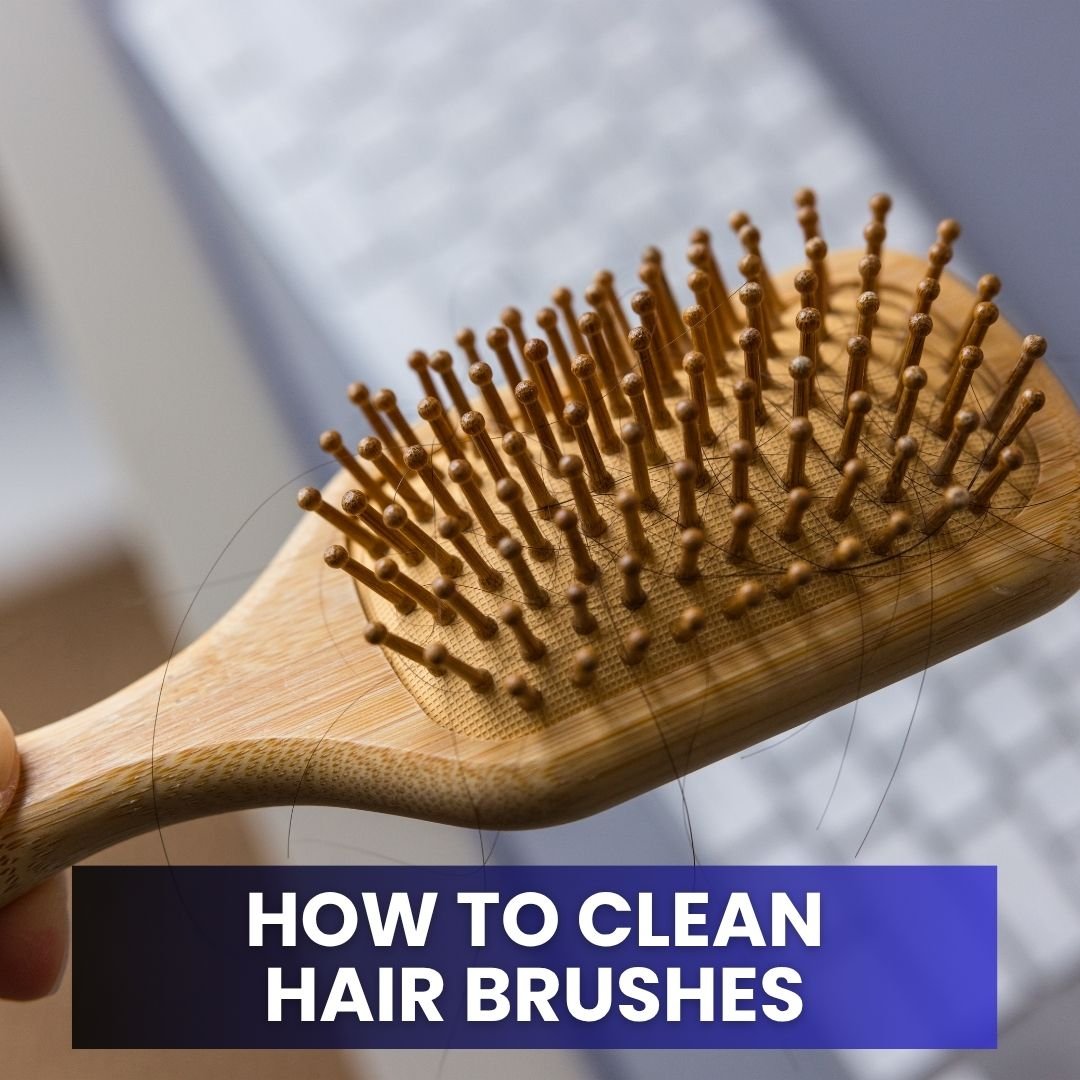
Hair Brush Rescue: Step-by-Step Guide on How to Clean Hair Brushes for Healthy Hair

A clean hairbrush is essential for maintaining healthy, shiny hair and preventing scalp issues.
Over time, hairbrushes accumulate hair, oils, product residue, and dust, which can lead to tangles, dull hair, and even scalp infections.
Learning how to clean hair brushes properly ensures your styling tools stay effective and hygienic.
In this guide, we’ll explore step-by-step methods, natural cleaning techniques, and maintenance tips to keep your brushes spotless and your hair healthy.
Why Cleaning Hair Brushes Matters
Regularly cleaning hair brushes removes buildup of hair, oils, and styling products. Dirty brushes can transfer bacteria back to your scalp, causing itchiness, breakouts, or dandruff.
Clean brushes glide through hair smoothly, reducing breakage, split ends, and tangles. Maintaining brush hygiene is a small step that protects hair health and enhances styling results.
Gather Your Cleaning Supplies
Before starting, gather all necessary supplies:
-
Warm water and mild shampoo or dish soap
-
Baking soda for deep cleaning
-
A comb or toothbrush for scrubbing
-
Towels to dry brushes
-
Small bowl or basin
Having these tools ready allows you to clean efficiently and thoroughly while avoiding damage to bristles or brush bases.
Step 1: Remove Hair from the Brush
Start by removing all hair strands trapped in the bristles. Use your fingers, a comb, or scissors for stubborn knots. Removing hair first makes the next steps easier and ensures soap and water reach all bristles, providing a deeper clean. This initial step also prevents clogging during rinsing.
Step 2: Soak the Brush
Fill a bowl or basin with warm water and a few drops of shampoo or dish soap. Submerge the brush head (avoid wooden handles if possible, as water can damage them). Let it soak for 10–15 minutes to loosen oils, product residues, and dirt. Soaking softens buildup, making the brushing and scrubbing process much more effective.
Step 3: Scrub the Bristles
Use a toothbrush, small cleaning brush, or comb to scrub between the bristles. Focus on areas where residue accumulates near the base. For tough buildup, create a paste of baking soda and water to gently scrub. This deep cleaning ensures removal of stubborn oils, dead skin, and residue, restoring brush hygiene and performance.
Step 4: Clean the Brush Base and Handle
The brush base and handle often collect dirt, oil, and bacteria. Wipe them down with a cloth soaked in warm water and mild soap. For wooden or sensitive handles, use a damp cloth rather than soaking. Cleaning the base and handle prevents cross-contamination and keeps the entire brush sanitary.
Step 5: Rinse Thoroughly
Rinse the brush under warm running water to remove soap and debris completely. Ensure that no residue remains between the bristles. Proper rinsing prevents buildup, ensures hygienic use, and keeps the brush free from sticky textures that could transfer to hair.
Step 6: Drying Your Hair Brush
Shake off excess water and lay the brush bristle-side down on a towel. Avoid placing the brush upright while wet, as water can collect in the handle and damage materials. Air-dry completely before using to maintain brush longevity and prevent mold or mildew growth.
Special Care for Different Brush Types
Plastic and nylon brushes: Fully submerge in soapy water; they tolerate deep cleaning and scrubbing.
Wooden brushes: Avoid soaking; wipe with a damp cloth and brush bristles only.
Paddle brushes with cushion bases: Use a toothbrush for thorough cleaning, as liquid can get trapped under the cushion.
Boar bristle brushes: Use mild soap, minimal water, and gentle scrubbing to prevent bristle damage.
Each type requires slightly different care to preserve bristle integrity and prolong brush life.
Tips for Maintaining Clean Hair Brushes
-
Clean brushes at least once a month or more often if using styling products.
-
Remove hair after every use to prevent buildup.
-
Use a toothbrush or comb regularly to dislodge trapped debris.
-
Store brushes in a clean, dry place to avoid dust and moisture accumulation.
-
For an extra boost, add a few drops of essential oil to the water while soaking to deodorize.
Following these small habits makes cleaning easier and keeps brushes effective and hygienic.
Natural Cleaning Methods
Natural ingredients can be very effective and safe:
-
Baking soda: Gently scrubs away residue and neutralizes odors.
-
White vinegar: Kills bacteria and dissolves product buildup.
-
Lemon juice: Acts as a natural disinfectant and leaves brushes smelling fresh.
Using natural cleaners ensures your brushes stay chemical-free and safe for frequent cleaning.
Avoiding Common Mistakes
-
Don’t soak wooden handles, which can warp.
-
Avoid using harsh chemicals that damage bristles.
-
Do not let brushes air-dry upside down, as water can collect in the handle.
-
Regularly check for worn-out bristles and replace brushes to maintain styling efficiency.
Avoiding these mistakes ensures your brushes last longer and remain hygienic.
Benefits of Clean Hair Brushes
Clean hair brushes:
-
Reduce hair breakage and tangling.
-
Prevent scalp infections and dandruff.
-
Improve styling results and product application.
-
Maintain a fresh, pleasant-smelling brush.
Regular cleaning is a small effort with long-term benefits for hair health.
Final Thoughts
Knowing how to clean hair brushes properly is crucial for maintaining healthy, shiny hair and preventing scalp issues. From removing hair and soaking bristles to scrubbing the base and drying correctly, following these steps keeps brushes hygienic and effective. Regular maintenance, natural cleaning methods, and proper storage ensure your hair tools remain in top condition, making your daily hair routine smoother, safer, and more enjoyable.